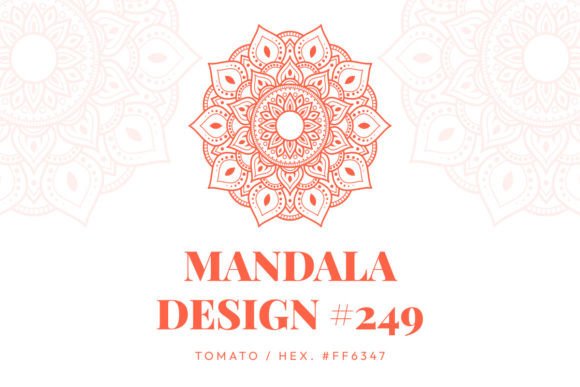
A Real-World Review of the Tomato Mandala Embroidery Design
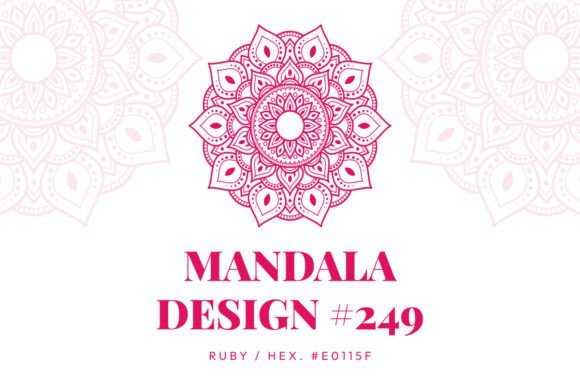
When a new embroidery design lands in my library, I don’t just look at it on screen. I immediately start visualizing it on fabric, thinking about stitch paths, thread choices, and the kind of product it would elevate. That’s exactly what I did with MANDALA DESIGN 249 - TOMATO. At 2000px by 2000px, it’s a substantial graphic, promising a detailed and scalable foundation. But how does it translate from a digital pattern to a real, stitched project? Here’s my practical take.
First Impression: Warm, Whimsical, and Versatile
The tomato motif is instantly charming. This isn’t a generic floral mandala; it has a personality. It feels warm, a little whimsical, and wonderfully earthy. The circular layout is classic and balanced, making it a naturally pleasing focal point. The detail level in the preview suggests a good mix of larger shapes and finer lines. This tells me it could work beautifully as a statement piece on a tote bag or as a delicate accent on a baby’s bib. Its visual mood leans towards kitchen decor, garden-themed gifts, or simply a cheerful, organic aesthetic for everyday apparel.
The Project That Cemented Its Potential
I recently needed a custom gift for a friend who runs a small farm-to-table cafe. A simple apron felt too plain. I loaded MANDALA DESIGN 249 - TOMATO, imagining it centered on the chest area. The design’s circular symmetry meant it would sit perfectly, and the tomato theme was a direct, personal nod to her work. In my mind, I already saw it stitched in rich reds and greens on a natural linen apron. This is the kind of moment where a design moves from being a graphic to being a story for a handmade product.
Performance Across Real Embroidery Situations
This mandala’s strength is its adaptability. For custom apparel like sweatshirts or t-shirts, its substantial size makes it a bold, valued addition. On a tote bag, it becomes a premium design element that elevates a simple bag into a boutique-ready product. For baby clothes or nursery decor, scaled down, its friendly motif is sweet without being overly cute. As an embroidered patch, it would be intricate and eye-catching.
I think about Etsy sellers and small shop owners. This design, when stitched well on a tea towel or pillow cover, creates a cohesive, thematic product line. It has that “giftability” factor—it feels thoughtful and specific. For digital product sellers offering printable mockups or using it as a design asset in graphics, the high-resolution base is a solid starting point. In commercial embroidery for a local brand, perhaps a farm stand or kitchen shop, it offers instant brand recognition with a handmade, professional touch.
Where This Design Demands Careful Planning
With any detailed mandala, the devil is in the execution. On very small hoop sizes, the finer interior details might get lost or become overly dense, risking a muddy stitch appearance. Textured or stretchy fabrics like some knits will require excellent stabilizer choice to keep those circular lines crisp. I’d be cautious on dark fabrics unless using very bright, contrasting thread; the design’s lighter, organic feel might not pop as intended on a black background.
Embroidering on curved surfaces like caps could be challenging with such a perfect circle—hooping and distortion need attention. Also, for products that need frequent washing, like kitchen towels or baby items, a very dense stitch fill in the larger tomato sections might affect fabric flexibility and durability over time. A lighter fill stitch density might be a better choice here.
Impact on Your Craft Business and Customer Trust
Using a design like this isn’t just about aesthetics; it’s about perceived value. A clean, well-stitched mandala on a product signals care and skill. It boosts handmade presentation and helps build customer trust because the result looks intentional and professional. For a creative entrepreneur, it can become part of your brand consistency if you develop a line around garden or home themes. It engages buyers by being recognizable and story-driven, not just another generic pattern.
Practical Notes From My Design Bench
Before you run this embroidery file on a final project, here’s my standard advice. Always test the design on scrap fabric first. Use the same material and weight as your final product. This is crucial to check thread color contrast and review stitch density. Does it look clear? Are any tiny details vanishing?
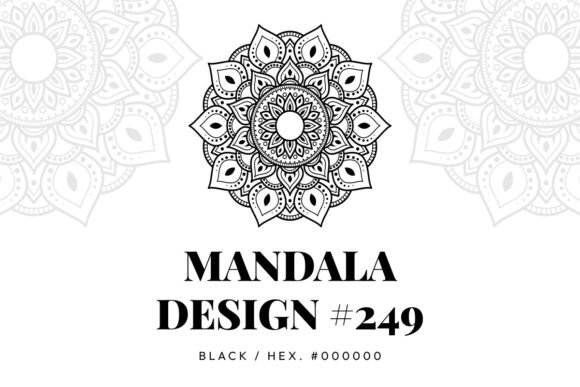
Confirm your hoop size is appropriate for the scale you want. Inspect the design’s small details in your software; sometimes a minor adjustment to stitch type can preserve clarity. I also recommend testing it in black and white mockups to see its form without color, and compare light and dark fabric backgrounds digitally first. Always use a proper stabilizer suited to your fabric.
Finally, since the product description states it’s ready for your project, ensure you understand the licensing. Check whether the design works for both personal and commercial projects before selling finished items. This is a fundamental step for any craft business or Etsy seller.
MANDALA DESIGN 249 - TOMATO is more than a graphic. It’s a potential centerpiece for a meaningful embroidery project. Its specific theme gives it a head start in connecting with an audience. With thoughtful application and technical care, it can transform from a digital pattern into a finished product that feels both beautifully handmade and perfectly designed.