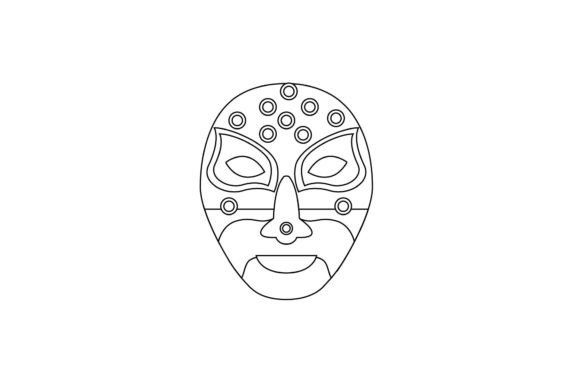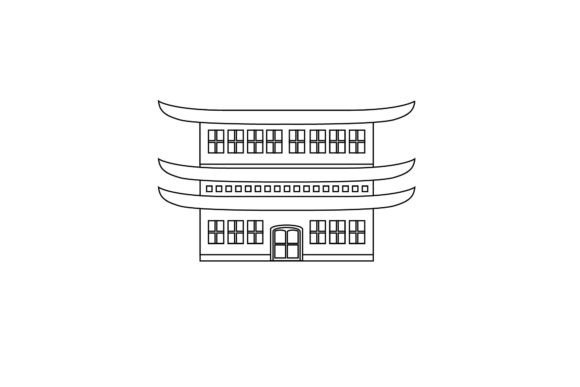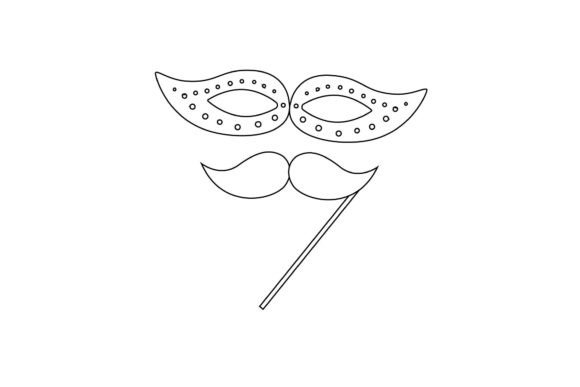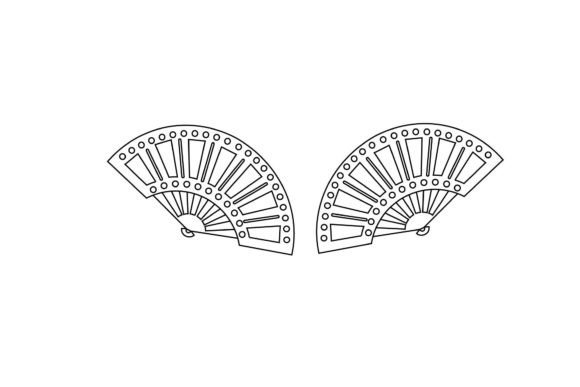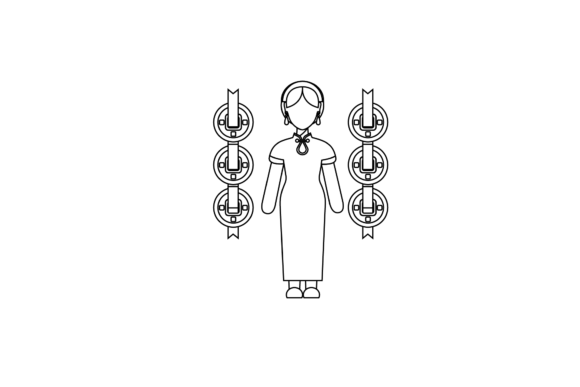
Design Outline Chinese New Year 20: A Versatile Asset for Graphics and Coloring Pages
As a designer reviewing a new asset for potential client work, the first impression is crucial. Opening Design Outline Chinese New Year 20, I immediately sense its festive, intricate mood. The outlines suggest a celebration—not loud or garish, but elegant and culturally resonant. This isn't a generic clipart; it feels like a thoughtful illustration, representing a clean, detailed style that leans towards modern tradition. It naturally fits clients who need authenticity without overwhelming complexity: a handmade business launching a Lunar New Year product line, a local cafe planning a seasonal event, or an Etsy shop owner creating printable decorations.
The Practical Mood of Modern Tradition
This asset creates a visual mood of structured celebration. The outlines are clear, offering a framework you can build upon. For a branding or packaging project, this is invaluable. It provides a themed anchor without dictating the entire color palette or style. Imagine applying it to a product label for a boutique tea blend or as a decorative accent on a social media graphic for a small business campaign. The mood is professional yet approachable, which is perfect for engaging an audience looking for seasonal, culturally-aware designs.
Where This Design Asset Excels in Real Projects
In real design situations, Design Outline Chinese New Year 20 performs strongly as a supporting graphic element. For logo design, it could serve as a detailed icon within a minimalist mark. In brand identity systems, it works beautifully as a recurring pattern on packaging details or merchandise like tote bags and mugs. For marketing visuals, such as posters, flyers, and digital ads, it can be a large-scale hero graphic, especially given its 1920x1280 px canvas. Its outline nature makes it ideal for Cricut projects for sticker designs or sublimation designs for t-shirts, where clean cut lines are essential. As a printable design, it would be superb for invitations or wall art, and as a web design element, it can add thematic flair to blog visuals or Pinterest pins without slowing down a site.
This graphic design asset thrives in large layout areas, decorative accents, and themed collections. Use it boldly on product mockups, as a central visual in a campaign, or as intricate detailing on a packaging sleeve. The multiple file formats—AI, EPS, SVG, JPG, PNG—are a professional's dream. The vector files (AI, EPS, SVG) allow infinite scaling and editing for commercial design work, while the PNG with transparency is ready for quick social media graphics or Canva templates.
Caution Zones: Where to Apply Careful Judgment
While versatile, this asset should be used carefully in certain contexts. In small sizes, the intricate outlines may become fuzzy or lose impact, especially in a crowded layout. On complex backgrounds, the clarity can diminish. For projects requiring very clean visual hierarchy, like a minimalist branding suite for a corporate client, this might be too decorative as a primary element. In low-contrast designs, you'd need to ensure the outlines are bold enough to read. It’s not suited for every professional corporate material, but for creative marketplaces, print-on-demand products, and small business branding, it’s a powerful tool.
Impact on Brand Trust and Audience Engagement
Incorporating Design Outline Chinese New Year 20 affects a project's core perception. It enhances visual trust by providing a polished, coherent thematic element. For a brand, this consistency across product labels, social media graphics, and editorial design builds recognition. Its emotional appeal is direct—it taps into celebration and heritage, which can deeply engage a community-focused audience. The overall impression it lends is one of intentional, professional creativity, elevating a simple project to feel like part of a curated collection.
Essential Designer Checks Before Client Use
Before committing this asset to a real client project, I run a series of practical tests. First, I test it in black and white to ensure its form holds without color. I check contrast on both light and dark backgrounds—a PNG with transparency is perfect for this. I preview it at small sizes (like an icon) and large sizes (like a poster) to verify scalability. Placing it on real mockups, such as a t-shirt design or a product package, reveals how it integrates with other brand elements. For printable designs, I test print quality using the high-resolution JPG.
I inspect the vector file editability in SVG or AI format—can I easily adjust lines or combine it with other assets? I compare it with different font styles: how does it pair with a sleek sans-serif for a modern feel, or a traditional serif for a classic look? Finally, and most critically, I confirm the commercial licensing. Using a digital product for a client’s commercial design or Etsy product requires clear, unrestricted rights. The guarantee mentioned is a positive sign, but verifying the specifics is a non-negotiable step.
A Framework for Seasonal Creativity
Design Outline Chinese New Year 20 is more than a standalone graphic; it’s a framework. For designers, brand owners, marketers, and crafters, it provides a structured starting point for a wide array of projects. It supports a design direction by offering a credible thematic core, improves the visual mood by adding cultural depth without clutter, and helps the final result feel polished because it’s inherently well-crafted. Whether for a digital seller’s new line, a content creator’s seasonal series, or a crafter’s Cricut project, this asset proves its value not as a mere decoration, but as a versatile, professional-grade design asset ready for real-world application.