Dinosaur Dot to Dot: A Designer’s Review for Stitched Projects
When a design file like Dinosaur Dot to Dot for Kids lands in my library, my first thought isn’t about the digital graphic itself. It’s about the tactile, finished product it could become. I’m looking at it through the eyes of a client, a gift recipient, or a customer browsing a small shop. This review is my practical judgment on its potential in real embroidery work.
The Immediate Mood and Project Personality
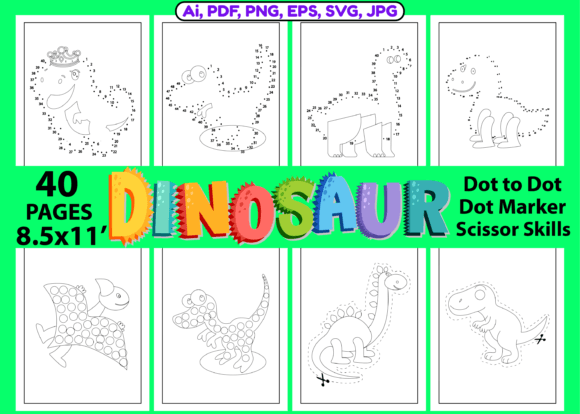
The core idea here is playful engagement. The dot-to-dot structure isn’t just a graphic; it’s an interactive concept translated into stitches. It creates a mood of discovery and fun, which is perfect for projects aimed at children or nostalgic adults. Visually, the dinosaurs—both the fierce carnivores and gentle herbivores mentioned—carry a friendly, almost cartoon-like personality due to the dot-to-dot framework. This isn’t hyper-realistic scientific illustration; it’s approachable and charming.
This design naturally belongs to projects where interaction is part of the appeal. Think of an embroidered patch on a child’s backpack that they can trace with their finger, or a custom sweatshirt for a young dinosaur enthusiast that feels uniquely personal. The layout suggests it’s clear and bold, not overly detailed, which is a huge advantage for embroidery where too much complexity can get lost in stitch translation.
Real-Life Embroidery Scenarios: Where It Shines
Let’s walk through a real case. Imagine I’m preparing a custom tote bag as a birthday gift for a six-year-old. I want something durable, colorful, and that sparks joy. Dinosaur Dot to Dot for Kids comes to mind immediately. Stitched onto the bag’s front panel, the design would act as both decoration and a subtle activity. The satin stitches outlining the forms would be crisp against the bag fabric, and the numbered dots could be rendered with small, precise running stitches or even as small filled points.
Beyond tote bags, this machine embroidery design has a wide applicability. On baby clothes or blankets, it offers a sweet, educational touch for nursery decor. As a pillow cover accent, it becomes a fun detail in a child’s room. For a small business like an Etsy shop selling personalized gifts, this file could be used on aprons, kitchen towels, or caps for a playful, themed product line. The key is that the theme is universally appealing and the execution seems straightforward enough for clean stitching clarity.
Considering Commercial Use and Customer Engagement
For creative entrepreneurs and digital product sellers, the visual appeal of the stitched result directly impacts product value and customer trust. A well-embroidered dinosaur dot-to-dot on a handmade product looks professional and thoughtful. It enhances giftability and recognition—parents and grandparents instantly understand the playful value. In Etsy listings or printable mockups, showing this design stitched on a real item (like a sweatshirt or tea towel) would engage buyers more than just showing the digital graphic alone. It tells a story of the finished product.
Careful Application: Where to Tread Lightly
No design is universally perfect, and practical experience dictates where to be cautious. The dot-to-dot nature implies small elements: the dots and possibly connecting lines. On very textured fabrics or stretchy fabric like some t-shirts, tiny details might not stitch cleanly without perfect stabilizer and tension settings. On dark fabric, you’d need to carefully choose thread color contrast so the lighter-numbered dots remain visible.
I’d avoid using it on very small hoop sizes if the design is large and expansive, as compression could muddy the clarity. Similarly, on curved surfaces like caps, the layout needs to be adapted so the design sits well without distortion. The potential for dense stitch areas is low here, given the described style, but always inspect the actual file’s stitch density in your software. For products needing frequent washing, like kids’ apparel, ensure the stitch structure is robust enough to handle wear.
A Designer’s Practical Notes Before Hooping
My standard process for any new design like this involves a few critical steps. First, always test the design on scrap fabric first. Use both a light and a dark background scrap to see how it performs. This reveals any issues with tiny details or thread coverage. Second, check thread color contrast meticulously. For a dot-to-dot, you might want the dots in a contrasting color to the dinosaur outline for true dot-to-dot functionality.
Third, review stitch density and confirm hoop size requirements by previewing in your machine software. Fourth, if you’re creating handmade products for sale, absolutely confirm licensing before selling finished items. Since this product is categorized under Graphics and Coloring Pages, clarify if the embroidery file license permits commercial embroidery use. Don’t assume.
Finally, think about the end-user experience. For a personalized gift, this design is a winner. For craft fair products or boutique branding, it adds a specific, family-friendly niche to your lineup. Its strength is its clear theme and interactive suggestion, which, when stitched well, translates into a product that feels both decorative and clever.
The Final Stitched Impression
In summary, Dinosaur Dot to Dot for Kids presents a strong opportunity for embroidery projects targeting joy and lighthearted engagement. Its value lies in its thematic clarity and likely straightforward stitch translation, making it a reliable choice for custom apparel, children’s items, and playful home decor. As a designer, I see it as a flexible asset for both personal projects and, with proper licensing, for small shop merchandise. The real magic happens when the digital file becomes a physical, stitched object that invites a smile and maybe even a fingertip trace along its numbered path. That’s the transformation we’re always aiming for.