A Vintage Mandala Design for Serious Embroidery Projects
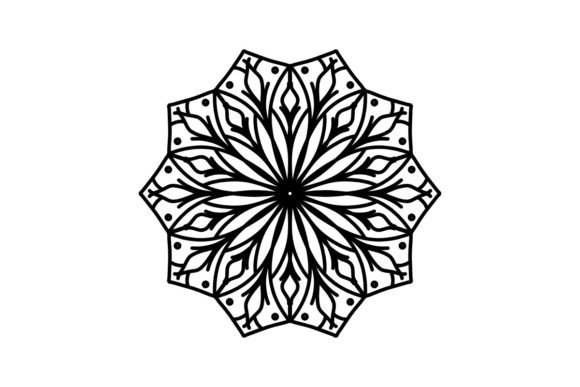
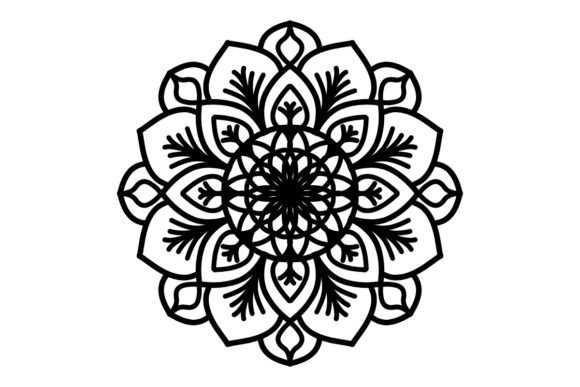
When you open an embroidery file, you’re not just looking at a pattern; you’re assessing a potential product, a future client project, a piece of your brand. The Vintage Mandala Ornament Package 14 arrives with a promise of versatility, but my first question is always: how does it translate to thread and fabric?
The Immediate Mood and Fit
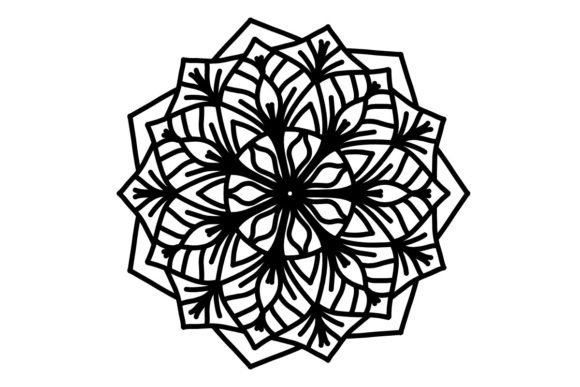
The hand-drawn, vintage quality of this mandala pack gives it an immediate warmth. It’s not stark or overly geometric; it feels organic and decorative. This visual personality suggests a project destined for a thoughtful gift or boutique-level handmade product. The intricate, balanced layout creates a focal point that feels both classic and contemporary.
I picture this design embroidered on a natural linen pillow cover for a wedding gift, or as a central motif on a canvas tote bag for a small shop. It carries a certain gravity that elevates simple items. For apparel decorators, this isn’t a casual, throw-on graphic. It’s a statement piece for a high-quality sweatshirt or a beautifully crafted apron. The mood is elegant, intricate, and gift-ready.
Where This Mandala Shines in Real Projects
Let’s walk through a real scenario. Imagine you’re preparing a custom embroidered tote bag for a client’s boutique. You need a design that feels premium, has enough detail to justify the price, and can be executed cleanly. This mandala package fits that bill. The SVG format means scalability is inherent, so you can adapt it for a large bag front or a smaller tea towel corner without losing proportion.
In terms of application, here’s where I see strong potential:
- Home Decor & Gifts: Pillow covers, kitchen towels, and blankets. The ornament style lends itself to items that sit and are admired, not just worn.
- Boutique Apparel: On the back of a high-quality sweatshirt or the breast of a denim jacket. It works where the fabric is stable and the item is meant to last.
- Personalized Keepsakes: Embroidered on a baby blanket or a holiday table runner. The vintage aesthetic feels timeless and sentimental.
- Small Shop Merchandise: As a consistent design element across a line of products—totes, caps, aprons—for brand recognition at craft fairs or in Etsy listings.
- Commercial Embroidery: For businesses looking for a refined, non-generic logo or decorative accent on uniforms or promotional items.
The design’s complexity, when stitched well, increases perceived value. A customer seeing this on a handmade product understands the work involved. That builds trust and engagement.
Caution Areas and Practical Considerations
No design is universally perfect. The intricate detail of this mandala pack is its greatest asset and its primary practical challenge. For embroidery, this means careful planning.
I would be cautious about using it on:
- Very Small Hoop Sizes: If scaled down too much, the fine lines and decorative accents could become a blur of dense stitches or vanish entirely.
- Highly Textured or Stretchy Fabrics: Thin t-shirts or slinky knits could distort the symmetrical precision. A stable base like canvas, denim, or a good stabilizer-backed cotton is ideal.
- Dark Fabrics Without Planning: Thread color contrast is paramount. A vintage motif on a black background needs a thoughtful, possibly lighter, thread palette to retain its delicate feeling.
- Curved Surfaces Like Caps: The large, circular symmetry might not sit perfectly on a curved cap crown without significant digitizing adjustments for that specific application.
- Products for Frequent Heavy Washing: Very dense fill stitch areas in a mandala can wear differently. For items like everyday kitchen towels, consider using a slightly simpler version or emphasizing outline stitches.
The Embroidery Designer’s Pre-Stitch Checklist
Before I’d commit this design to a client’s project or my own product line, here’s my practical workflow:
- Test on Scrap Fabric First. Always. Use the same fabric and stabilizer combo you plan for the final product. Look for stitch clarity in the smallest details.
- Check Thread Color Contrast. Run tests on both light and dark background mockups, even digitally, to see how the pattern reads.
- Review Stitch Density. If the SVG is converted to an embroidery file, the digitizer’s choices on satin stitch versus fill stitch for the various elements will dramatically affect the final look and feel.
- Confirm Hoop Size Compatibility. Ensure the design size you choose fits comfortably within your machine’s capabilities and the physical product area.
- Inspect Small Details. Are there tiny corners or lines that might become thread-heavy or skip? This is critical for professional presentation.
- Consider Commercial Use. Since the product description mentions creative projects, confirm the specific licensing for selling finished embroidered items or using it as a commercial design asset. Never assume.
Turning a Graphic into a Finished Product
The leap from a ‘Graphics’ product in the ‘Crafts’ category to a physical embroidered piece is where your skill as a maker comes in. The Vintage Mandala Ornament Package 14 provides a beautiful framework. Your choices on thread color, fabric texture, and product context determine its ultimate success.
Will it be a delicate, white-on-white embroidery on a wedding gift pillow? Or a bold, multicolored statement on a tote bag for an Etsy seller’s summer line? Each path requires different technical and aesthetic decisions. The design supports both, which is its real strength.
For the creative entrepreneur, this mandala pack isn’t just a file; it’s a potential brand signature. Used consistently and executed well, it can become recognizable across your product range, from embroidered patches to custom apparel. It feels handmade but professional, which is exactly the balance that builds a sustainable craft business.
In the end, my judgment is this: the Vintage Mandala Ornament Package 14 is a design for makers who are ready to invest the time in setup and testing. It’s not a quick, one-hoop project. But for the right product—the gift, the boutique item, the personalized keepsake—it offers a depth and elegance that generic designs lack. It makes the finished product feel considered and valuable, which is, after all, what we’re all striving to create.