Evaluating the Turkey Embroidery Design for Real Projects
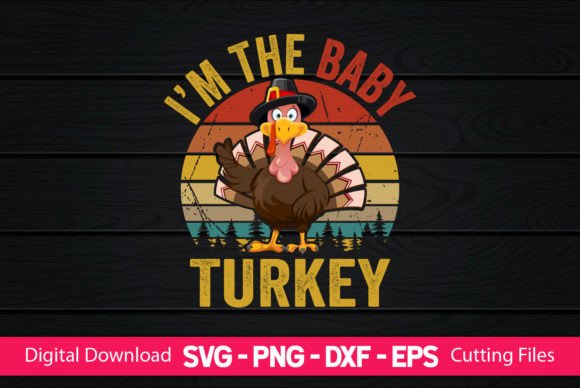
When a new embroidery design lands in my library, my first instinct is to imagine it stitched out. I’m looking past the digital preview to the finished product. Today, I’m considering I m the Baby Turkey, a design that immediately brings a smile with its playful theme. This isn’t about ticking boxes on a feature list; it’s about judging whether this graphics file has the character and practicality to thrive as a real, embroidered object.
The Whimsical Charm and Immediate Project Ideas
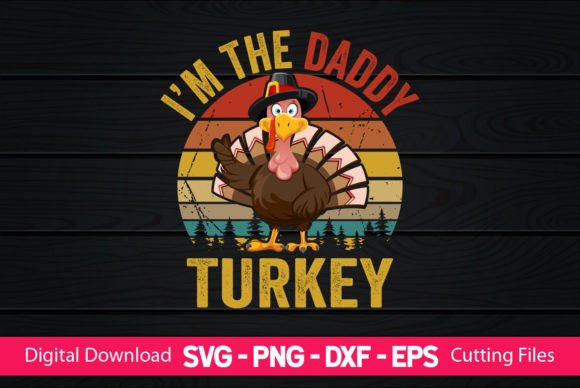
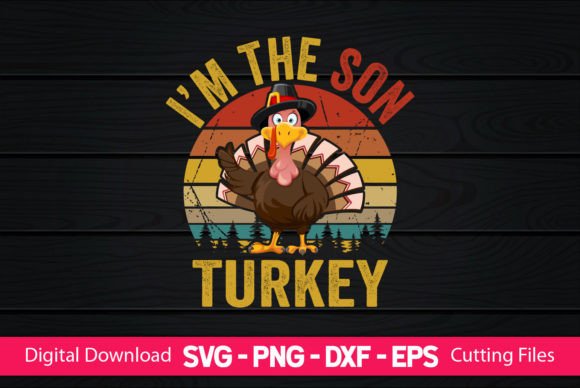
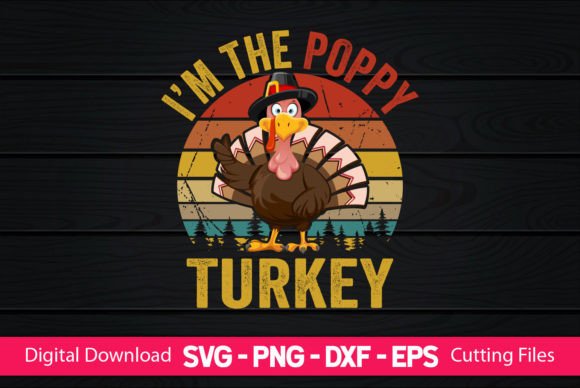
The first impression is one of lighthearted, seasonal fun. The design’s personality leans into that cute, slightly goofy vibe perfect for autumn and Thanksgiving projects without being overly formal. The layout suggests a central, bold graphic, which from a stitching perspective, translates well to a clean, impactful focal point on a garment or item. I’m already picturing it on the front of a cozy fleece sweatshirt for a family gathering, or as a cheerful accent on a canvas tote bag for a craft fair shopper.
For my own craft business, designs like this are gold for creating quick-turn, high-appeal items. The “baby” aspect in the title hints at applications for personalized gifts—think a small version on a baby’s bib or a corner of a nursery blanket. For an Etsy seller specializing in handmade kitchen goods, a neatly stitched I m the Baby Turkey on a linen apron or tea towel could become a seasonal bestseller. The mood is friendly and inclusive, which often resonates more with customers than overly intricate or serious artwork.
Performance Across Real-Life Embroidery Scenarios
Let’s walk through where this embroidery file would shine and where you’ll need a thoughtful approach. On stable, medium-weight fabrics like cotton twill for tote bags, denim for caps, or standard quilting cotton for pillow covers, this design should perform reliably. The expected clean lines would allow for crisp satin stitches or fill stitches, creating a product that feels professional and durable.
For custom apparel like t-shirts and sweatshirts, especially lighter or stretchy varieties, the execution becomes crucial. A design with potentially large filled areas (common in bold graphics) requires careful attention to stitch density and stabilizer choice to prevent puckering. I’d strongly advise testing on scrap fabric of the same type first. For a dark fabric background, thread color contrast is key—a bright, contrasting palette would make this turkey pop and maintain its cheerful feel.
Consider it for an embroidered patch as well. Applied to a backpack or jacket, it would hold up well. However, on curved surfaces like the crown of a cap, the scale matters immensely. You’d need to ensure the design’s dimensions are suitable for your hoop size and that the details won’t get lost on the curvature.
Where to Apply Extra Caution
Some applications demand a second thought. If you’re working with very textured fabrics, like a chunky knit sweater, fine details might get obscured. Tiny lettering, if present within the design, can be a challenge on any fabric; it requires precise machine calibration and fine thread. For products destined for frequent washing, like baby clothes or kitchen towels, a robust stitch construction is vital—again, a test run will reveal if any areas are too delicate.
For small business merchandise, the finished look directly impacts customer trust and your brand’s perception. A well-embroidered, cheerful turkey on a product suggests care and quality. It enhances giftability and recognition. Conversely, a poorly executed version, perhaps on an unsuitable fabric, can undermine that handmade presentation. Always match the design to a product it can physically and aesthetically thrive on.
The Designer’s Notes for a Successful Project
Before committing this to a client project or your shop inventory, here’s my practical checklist. Always test the design on scrap fabric first. This reveals everything: how the thread colors interact with your material, the actual stitch density, and whether any small details need adjustment for your specific machine.
Review the design in both light and dark fabric mockups, even if just digitally, to plan your thread strategy. Use the proper stabilizer for your chosen fabric; this is non-negotiable for a clean finish. Since this is a digital file for cutting machines, confirm the specifics of your embroidery file conversion and compatibility with your embroidery machine’s software. The provided formats suggest versatility, but the embroidery process requires specific preparation.
Critically, confirm the licensing terms before selling finished items or commercial embroidery projects. This is a fundamental step for any digital design asset. Does your use for handmade products fall within the license? Never assume. This protects your craft business and ensures professionalism.
Finally, consider the product fit. I m the Baby Turkey feels naturally aligned with holiday gifts, boutique seasonal products, and personalized family items. It’s a design that tells a simple, joyful story. When stitched well on the right surface, it adds value through its charm and seasonal relevance. It’s not just a graphics file; it’s a potential smile on a sweatshirt, a memory on a pillow, or a bestselling item in your small shop. Approach it with a designer’s eye for detail and a maker’s respect for the process, and it will likely reward that care with a delightful finished product.